rTMS Treatment in Trichy

A non-invasive brain stimulation therapy for individuals whose symptoms have not responded fully to medication and therapy alone.

Non-Invasive No Anaesthesia
Outpatient Friendly Sessions
Evidence-Based Treatment Approach
24x7 Clinical Support
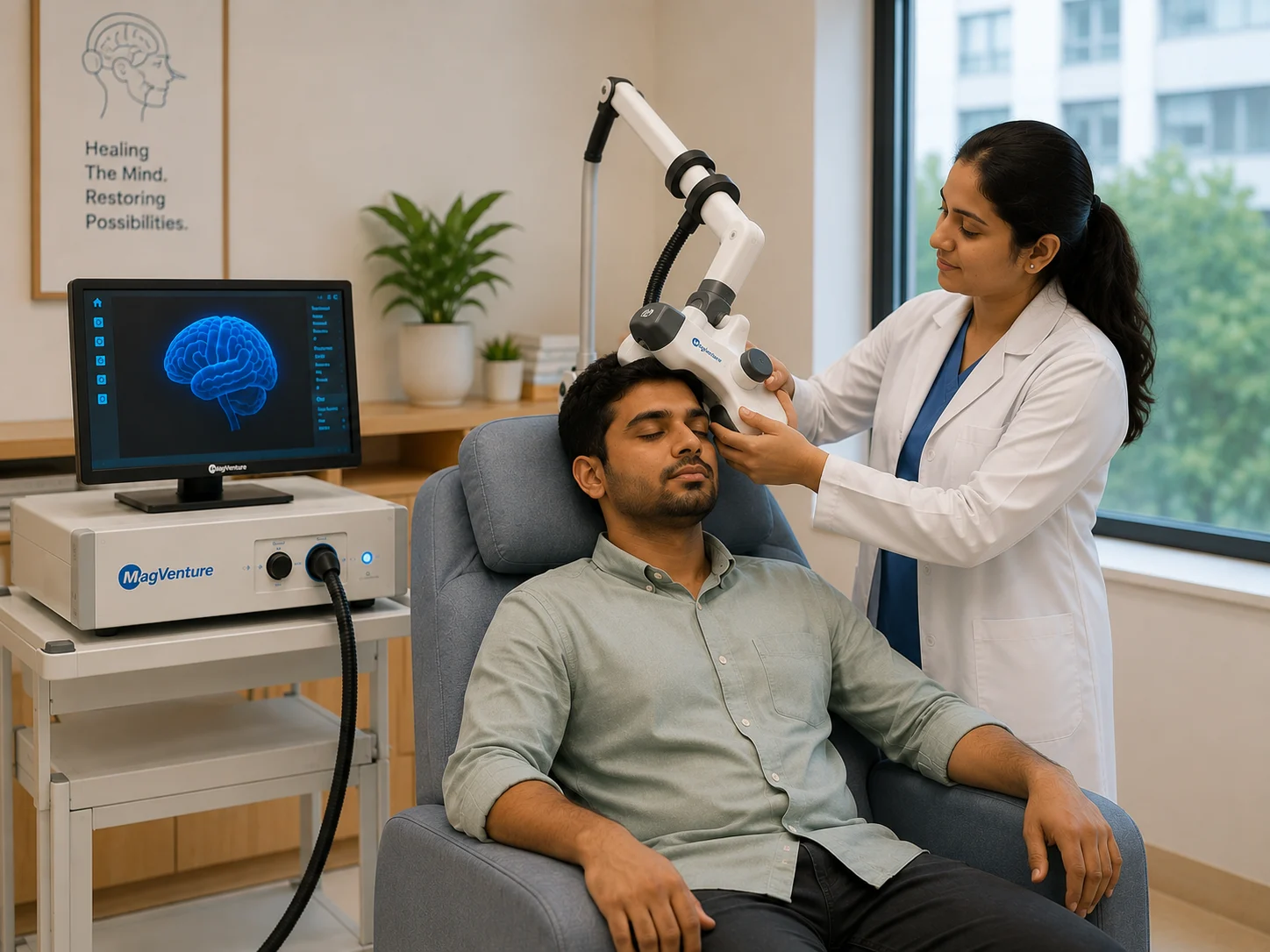
Patient undergoing rTMS treatment at Athma Rehabilitation Centre

What Is rTMS?

Non-Invasive Brain Stimulation for Treatment-Resistant Conditions

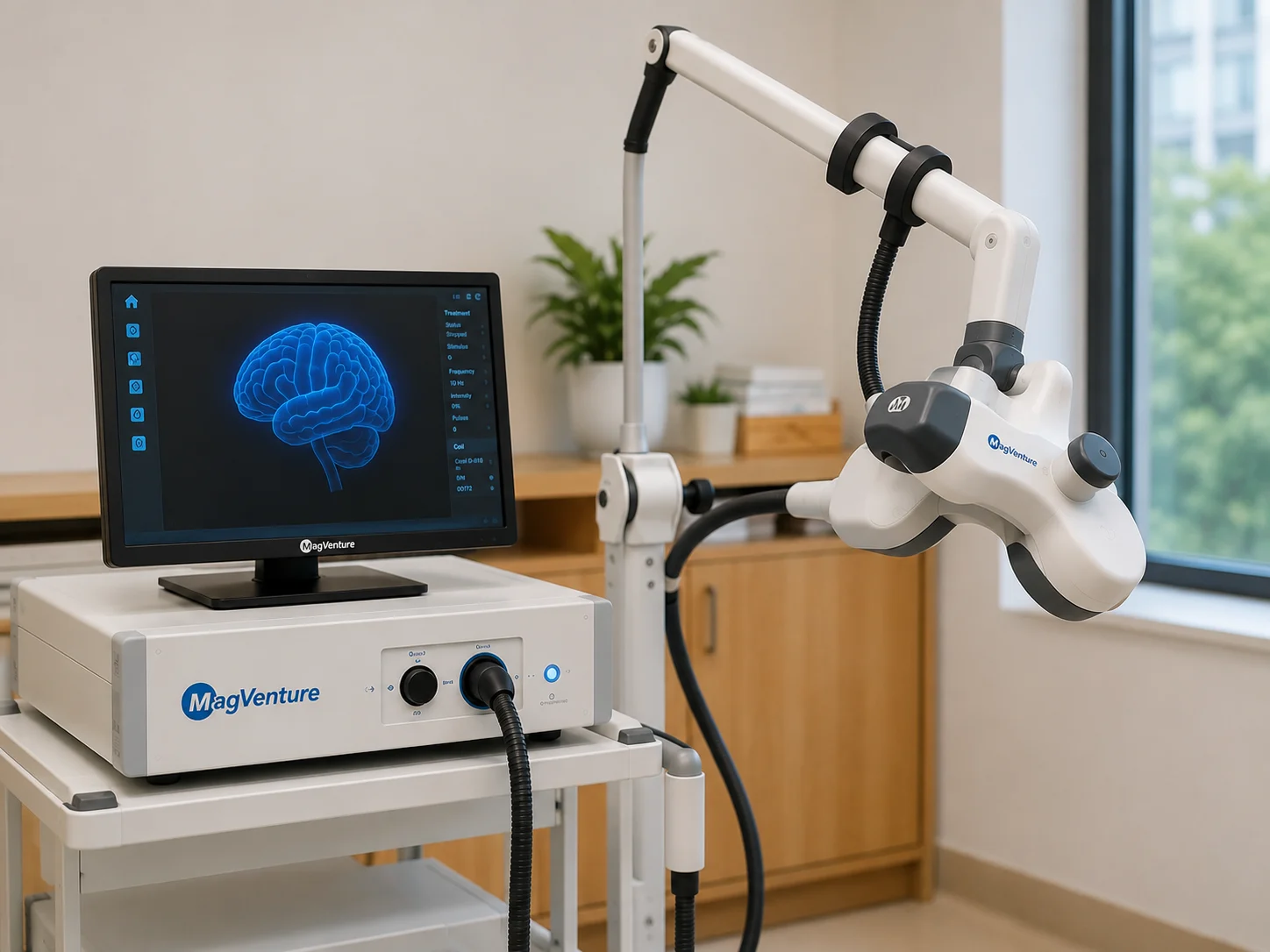
Repetitive transcranial magnetic stimulation uses magnetic pulses to stimulate specific areas of the brain involved in mood regulation. This rTMS treatment in Trichy may be considered for individuals whose symptoms have not responded sufficiently to medication and therapy alone.

Each session is brief and requires no anaesthesia, while patients remain awake and alert throughout. Our clinical team assesses individual suitability before recommending treatment.

Who Can Benefit

Conditions We Address With rTMS

Treatment-Resistant Depression

rTMS may support individuals whose depression symptoms continue despite appropriate treatment plans.

Obsessive-Compulsive Disorder

Targeted rTMS sessions may support individuals experiencing persistent obsessive-compulsive symptoms.

Anxiety Disorders

rTMS may support individuals managing ongoing anxiety symptoms that affect their daily wellbeing.

Post-Traumatic Stress

Guided rTMS treatment may be considered alongside wider care for trauma-related symptoms during recovery.

Negative Symptoms of Schizophrenia

rTMS may support specific negative symptoms that affect motivation, activity and daily functioning.

Persistent Low Motivation & Fatigue

rTMS may support individuals experiencing ongoing low motivation and fatigue despite appropriate treatment.

Our Approach

How rTMS Works at Athma

01
Psychiatric Evaluation & Screening

A detailed assessment to determine whether rTMS is appropriate.

02
Personalised Stimulation Mapping

Careful mapping to identify the intended treatment area.

03
Daily rTMS Sessions

Short sessions delivered over a structured treatment course.

04
Progress Monitoring & Adjustment

Regular reviews to monitor response throughout treatment.

Why It Matters

Benefits of rTMS Treatment

rTMS is non-invasive and does not require anaesthesia. Patients remain awake during sessions and can usually continue with their regular activities afterwards.

This established treatment approach may support individuals with treatment-resistant symptoms and is provided alongside appropriate psychiatric care.

Psychiatrist reviewing rTMS treatment progress with a patient

Still Got Questions?

Frequently Asked Questions About RTMS Treatment

Most individuals experience a tapping sensation during treatment. Anaesthesia or sedation is not required.

The number of sessions depends on individual needs and the recommended treatment plan.

Many individuals can return to their usual activities after a session.

Treatment decisions are individual and guided by the clinical team.

A clinical assessment helps determine whether this treatment is suitable.

Start Today

Ready to Begin rTMS Treatment?

Our clinical team will assess your needs and recommend an appropriate course of therapy.

Call Us Today+91 89258 79194
Chat with Athma Typically replies within minutes
Let's Talk! I'll solve your doubts in seconds